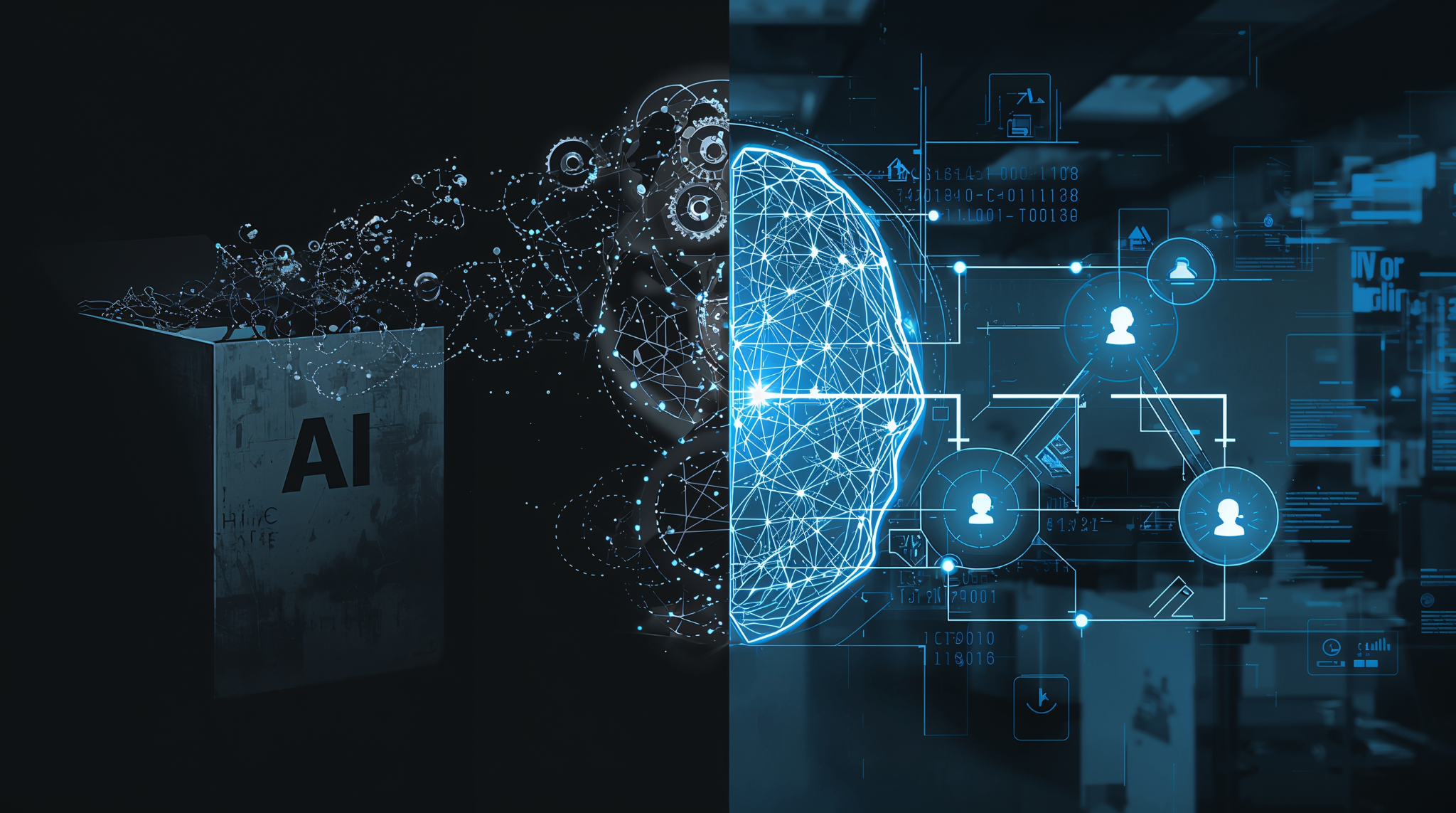
Agentic AI: How Multi-Agent Collaboration and RAG Are Shaping the Future

Discover how Agentic Ai, multi-agent collaboration, and RAG are transforming intelligent systems with AI Bots and autonomous workflows. Learn key strategies!
Agentic AI: How Multi-Agent Collaboration and RAG Are Shaping the Future

Introduction

Artificial intelligence is rapidly evolving no longer limited to simple chatbots, but advancing into systems that can decide, act, and collaborate. At the heart of this shift is Agentic Ai, where intelligent systems work autonomously or in teams of AI Bots to complete complex tasks using strategies like multi-agent collaboration and RAG (Retrieval-Augmented Generation). In this article, you’ll learn what Agentic AI really means, why collaboration matters, how RAG enhances intelligence, and how this combo is shaping the future of smart systems. IBM

What Is Agentic AI?

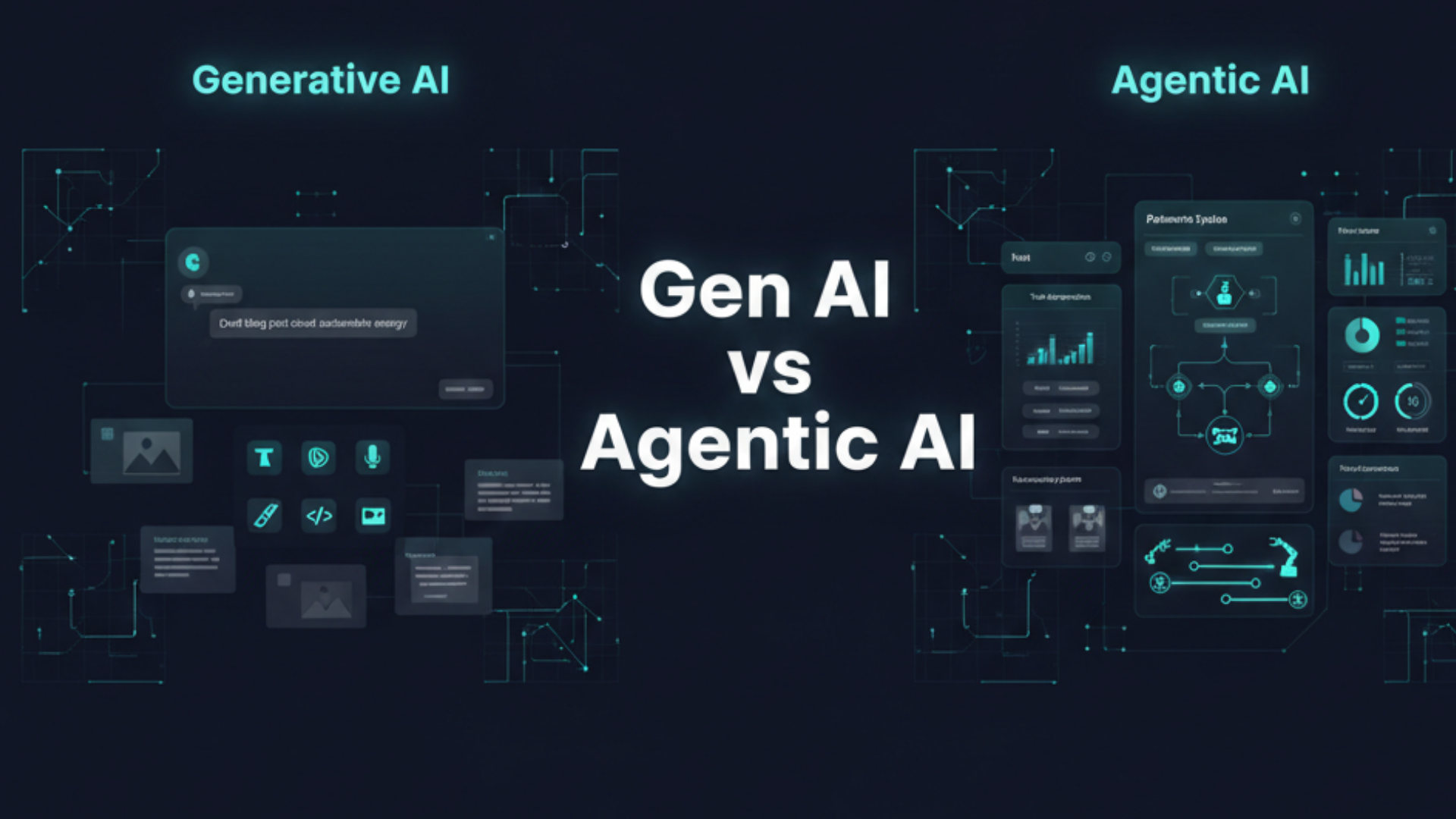
Agentic AI refers to AI systems designed to achieve goals with limited supervision by autonomously planning, acting, and adapting in real time. Unlike traditional AI that outputs content only when prompted, agentic systems can pursue objectives, evaluate outcomes, and interact with their environment intelligently. These systems often consist of multiple specialized agents working together like a digital workforce. IBM

Key Features of Agentic AI:

  • Autonomy ability to act without constant human input
  • Goal-oriented decision-making
  • Coordination among agents
  • Adaptation to feedback and changing situations

This approach is becoming central to emerging AI architectures because it moves beyond reactive output to proactive action and continuous improvement. Wikipedia

The Power of Multi-Agent Collaboration

When we talk about multi-agent systems, we mean multiple AI entities working together toward a shared objective. In a multi-agent collaboration, each AI agent has a role similar to a team in an organization.

How Agents Work Together

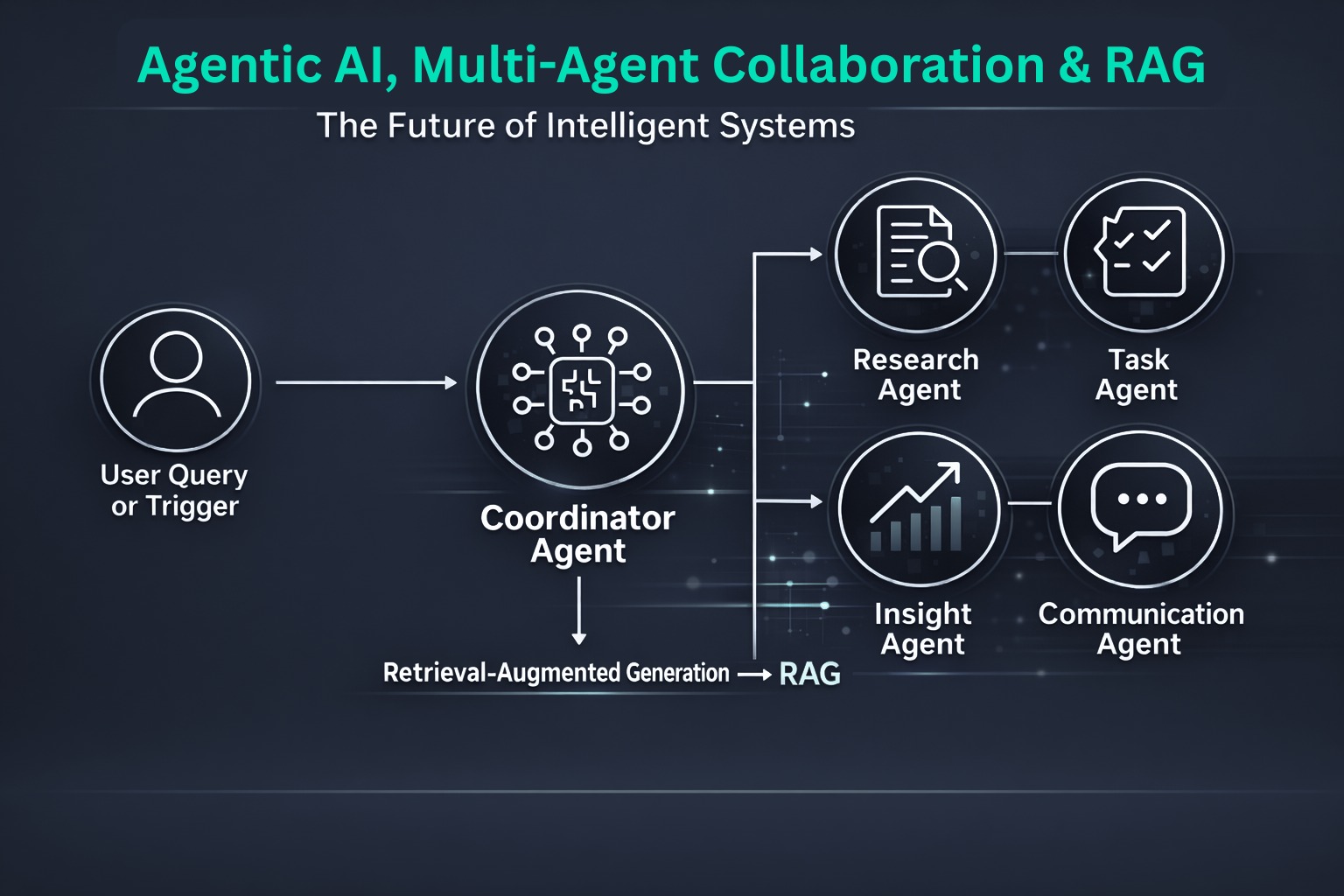
In an Agentic AI system:

  • Coordinator agents manage workflows and delegate tasks
  • Research agents gather external data
  • Execution agents perform actions or trigger events
  • Insight agents analyze outcomes and optimize strategy

Think of it as a digital operations team, where one agent finds information, another synthesizes it, and yet another executes actionable steps all without a human in the loop. Medium

Benefits of Multi-Agent Systems

Multi-agent collaboration offers:

  • Distributed intelligence for complex problem solving
  • Specialized agents with unique skills
  • Continuous learning and self-correction
  • Stronger performance on multi-step workflows

This teamwork enables Agentic AI to handle tasks that would typically overwhelm traditional AI Bots or single-model systems.

RAG: A Smarter Knowledge Backbone

RAG AI

Before we dive into how RAG works with Agentic AI, let’s break it down.

RAG (Retrieval-Augmented Generation) is a technique where a system retrieves external, authoritative information and integrates it into the output of large language models, giving more accurate and up-to-date responses. Amazon Web Services, Inc.

Traditional RAG vs. Agentic RAG

In traditional RAG:

  1. A user query triggers retrieval from a knowledge source
  2. Retrieved info is passed to a language model
  3. Response is generated based on both internal models and external context

In Agentic RAG, AI agents control and manage the retrieval process. They decide:

  • which sources to search
  • which tools to use
  • how to refine results dynamically

This empowers agents to not just fetch data, but also to plan, analyze, and adapt what they retrieve for better context and relevance. IBM

Why RAG Matters for AI Systems

RAG is crucial for reducing hallucinations (incorrect model outputs) and creating grounded, factual responses  especially for systems that operate without direct human oversight. When RAG is combined with agentic decision-making, AI Bots can create more reliable, context-aware workflows.

AI Bots and Agentic Ecosystems

Often referenced together, AI Bots aren’t the same as autonomous agents. While AI Bots can be powerful, they are usually programmed to react to specific prompts. Agentic AI systems — especially those using multi-agent collaboration and RAG — are more proactive and strategic.

In an agentic ecosystem:

  • AI Bots may serve as specialized task executors
  • Retrieval agents look up data
  • Coordination agents optimize workflows

This layered approach makes AI Bots more useful in enterprise systems, customer support, research automation, and beyond.

AI Bots and Agentic Ecosystems

Real-World Use Cases and Examples

Enterprise Automation

Organizations are using Agentic AI to automate workflows with minimal supervision:

  • Coordinating customer support with RAG-enhanced knowledge retrieval
  • Generating reports by distributing subtasks to multiple agents
  • Automating scheduling, billing, and data analysis across departments

These systems reduce manual workload and can scale operations more efficiently than traditional AI Bots alone.

Intelligent Support Systems

Imagine support systems that:

  1. Receive a customer query
  2. Use RAG to fetch accurate knowledge
  3. Ask other agents to analyze meaning
  4. Automatically craft and send responses
  5. Log results for future improvement

This isn’t hypothetical it’s happening now in research labs and early enterprise deployments using agentic workflows.

When your business is ready to implement conversational AI that delivers measurable results, partner selection determines success.

Xcrotek specializes in AI voice agent solutions designed specifically for the US market, with deep understanding of American business requirements, compliance standards, and consumer expectations. Their approach focuses on rapid low-risk implementation, industry-specific expertise, enterprise-grade security, transparent ROI tracking, and US-based support.

Organizations working with specialized vendors like Xcrotek report faster time-to-value, higher adoption rates, and better long-term results compared to generic solutions.

Ready to transform your customer experience while cutting operational costs? Explore Xcrotek’s AI voice agent solutions at https://xcrotek.com/ai-voice-agent/ or schedule a consultation to discuss your specific requirements.

Challenges and Ethical Considerations

Though exciting, Agentic AI brings challenges:

  • Complexity: Multi-agent systems require sophisticated orchestration.
  • Cost: Deploying and maintaining agentic systems can be resource-intensive.
  • Ethics: Autonomous decision-making requires strong governance and transparency.
  • Overhype: Many vendors use terms like “AI Bots” and “Agentic” loosely, leading to confusion. Gartner warns that many orgs overestimate their maturity and ROI. Reuters

Addressing these concerns necessitates careful planning, human oversight, and rigorous testing.

Conclusion

Agentic AI represents a major leap forward in how intelligent systems operate moving from passive response engines to autonomous collaborators capable of planning, acting, and learning. When combined with multi-agent collaboration and RAG, these systems empower AI Bots to deliver context-aware, goal-driven outcomes that align with real-world needs.

Whether you’re building smarter assistants, automating enterprise tasks, or enhancing customer experiences, understanding Agentic Ai, multi-agent collaboration, and RAG will help you stay on the cutting edge of AI innovation. IBM

Share this article with your team and explore how Agentic AI can transform your next AI initiative!

FAQ
  1. What exactly is Agentic AI?
    Agentic AI is an autonomous artificial intelligence capable of setting goals, planning actions, and executing tasks with limited supervision. IBM
  2. How does RAG improve AI systems?
    RAG enhances AI responses by retrieving external knowledge before generating outputs, making responses more accurate and current. Amazon Web Services, Inc.
  3. Are AI Bots the same as agents?
    Not exactly AI Bots often respond to prompts, while agents can plan, decide, and act proactively in a system. Wikipedia
  4. Is Agentic AI already being used today?
    Yes, early deployments exist in enterprise automation, customer support, and research systems though adoption is still maturing. Reuters
  5. What’s the future of Agentic AI?
    Expect more autonomous systems with robust agent collaboration and dynamic RAG workflows that redefine how we interact with AI.
LinkedIn
Email
Phone
WhatsApp
WhatsApp
Phone
Email
LinkedIn