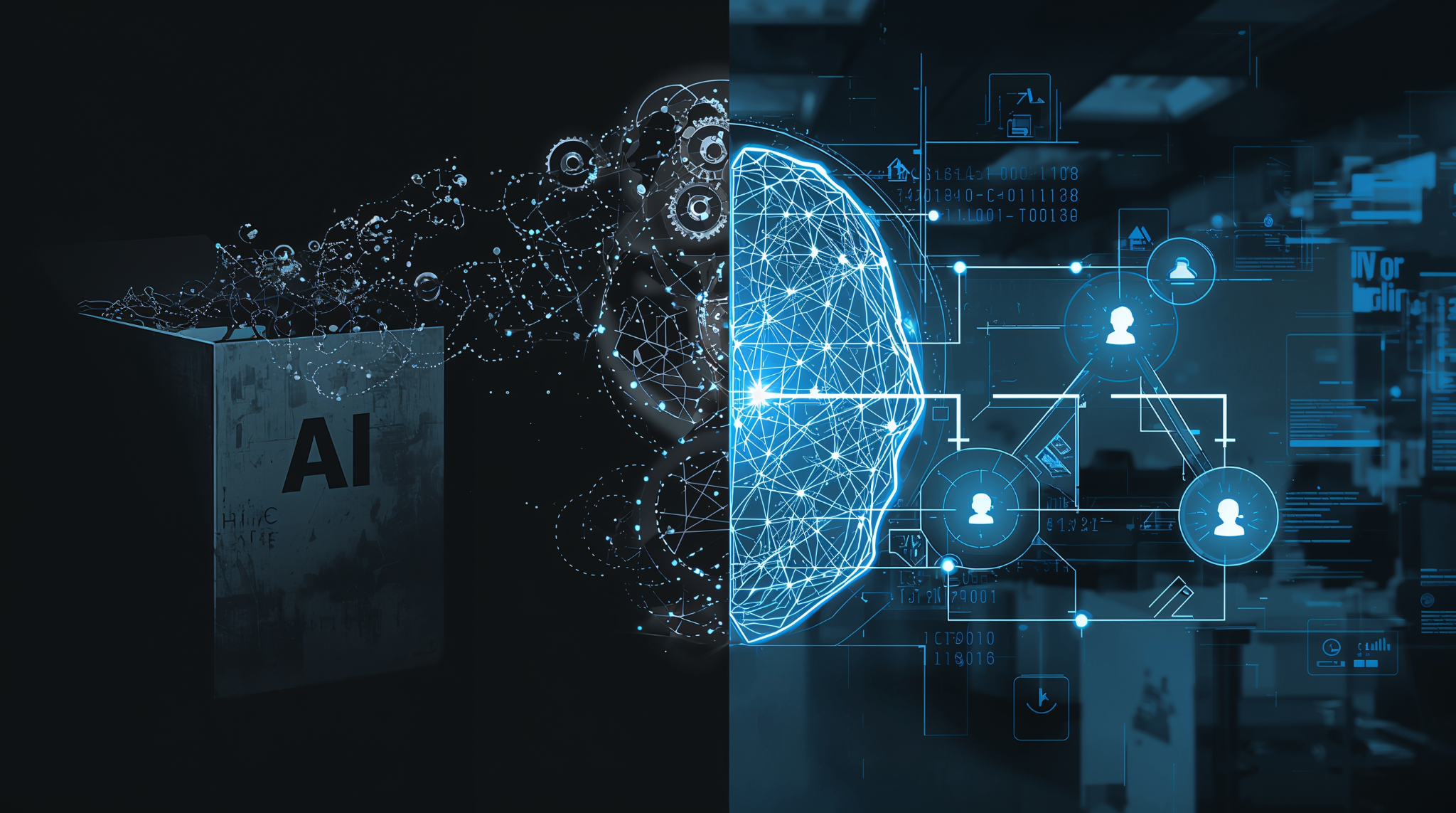
Building Smarter Systems with Agentic AI: A Practical Guide for Enterprises

Discover how Agentic AI and Autonomous AI agents help enterprises automate workflows, improve Decision-making, and Scale operations with smarter intelligent systems.
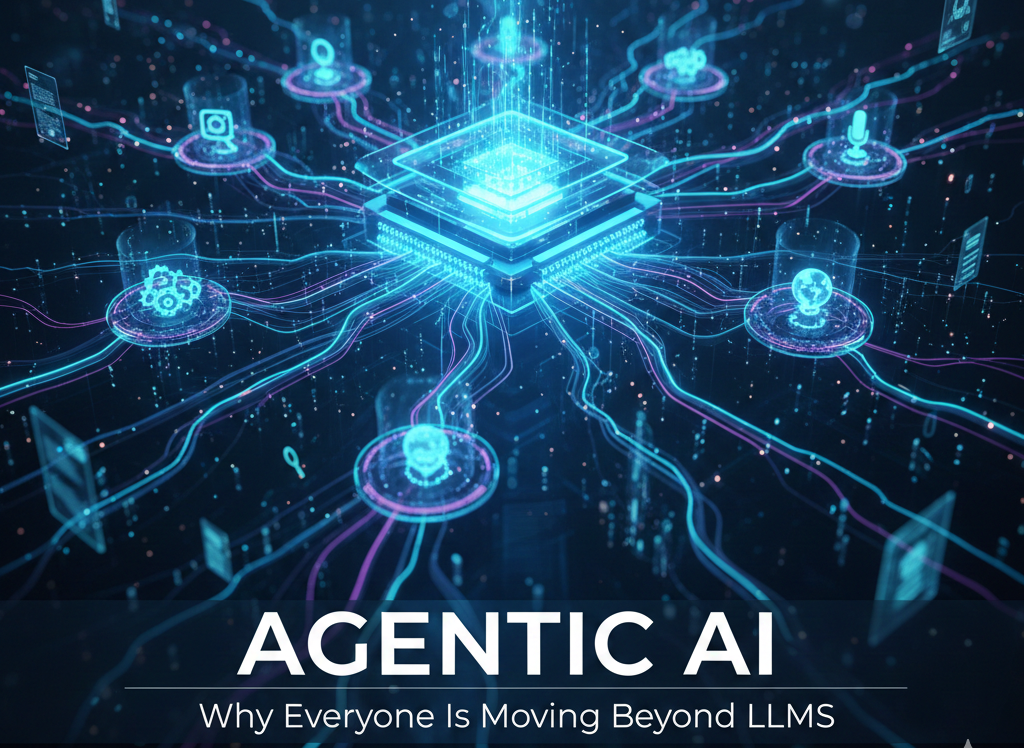
Building Smarter Systems with Agentic AI: A Practical Guide for Enterprises

Introduction

In today’s fast-evolving business world, imagine your operations running like a well-oiled machine where decisions happen in real time without constant oversight. Picture a customer service team where AI handles inquiries, pulls data from multiple systems, and resolves issues before they escalate, all while learning from each interaction. Or think of supply chains that predict disruptions and reroute shipments autonomously. This level of intelligence is not a distant dream. It is the power of agentic AI, a breakthrough that’s helping enterprises build smarter, more adaptive systems. Agentic AI, with its AI agents, goes beyond basic automation to create proactive, decision-making entities that drive efficiency and innovation.

At xCroTek (www.xcrotek.com), based in Amsterdam, Netherlands, we specialize in deploying agentic AI solutions that integrate with your existing tech stack to deliver tangible results. Our AI agents empower businesses to scale operations without adding complexity. In this practical guide, we will break down what agentic AI is, how it works, its key benefits, real-world examples, common challenges, and what the future holds. Whether you are an executive eyeing ROI or a tech lead planning implementation, this will help you navigate agentic AI for your enterprise. Let’s get started.

Demystifying Agentic AI: The Core of Smarter Systems

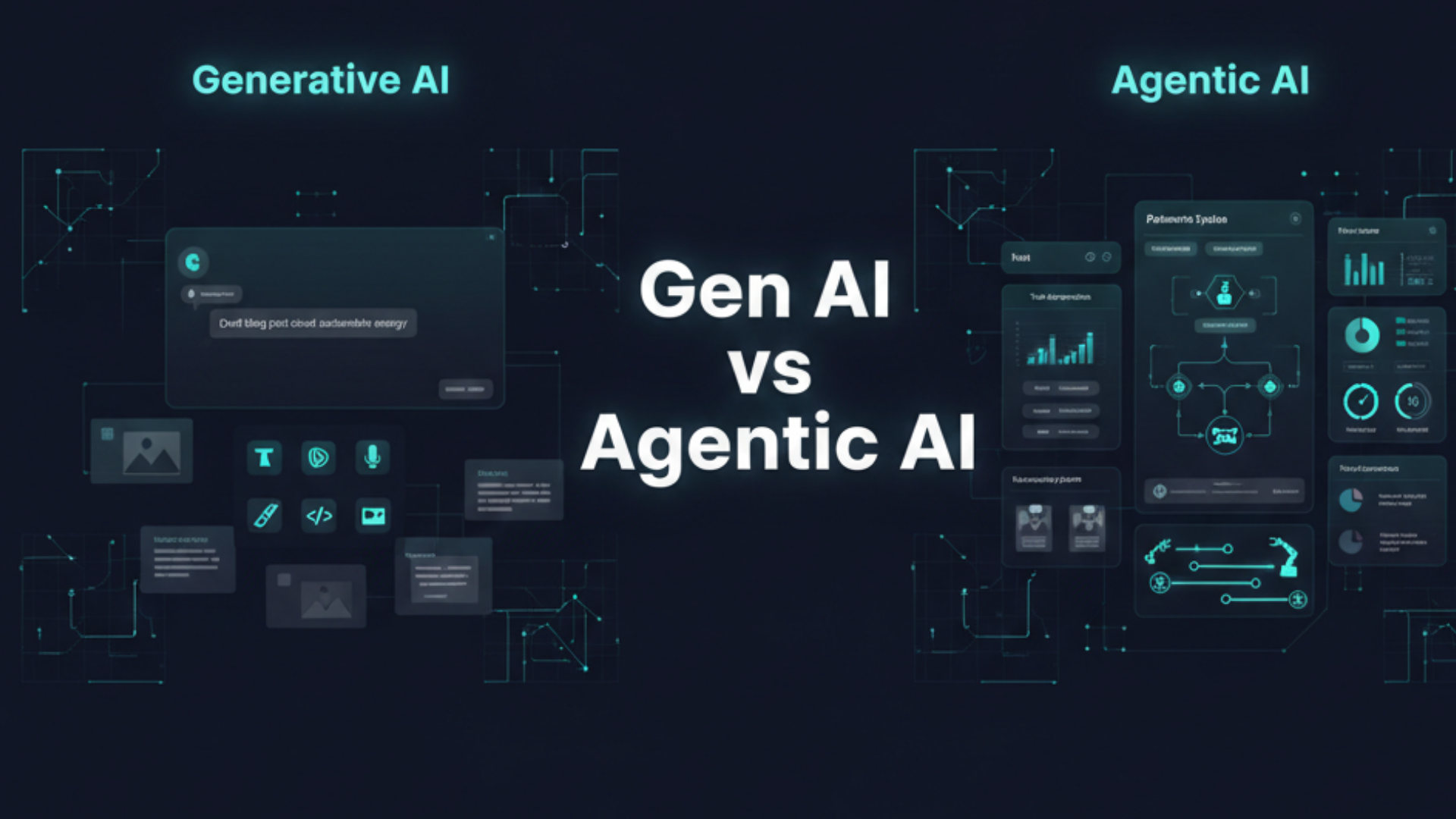
Agentic AI refers to autonomous AI agents that can reason, plan, and act on their own to achieve goals. Unlike traditional AI that follows rigid scripts, these agents use generative AI models, like large language models, to adapt to changing environments and make decisions with minimal human input. Think of them as digital employees: they observe data, evaluate options, execute tasks, and learn from outcomes.

For enterprises, AI agents shine in complex scenarios. Tools like those from OpenAI enable agents to handle multi-step processes, such as analyzing market trends and adjusting strategies. They integrate with APIs, databases, and other systems for seamless workflows. Key elements include perception (gathering data), reasoning (using LLMs for planning), action (executing via tools), and reflection (improving over time).

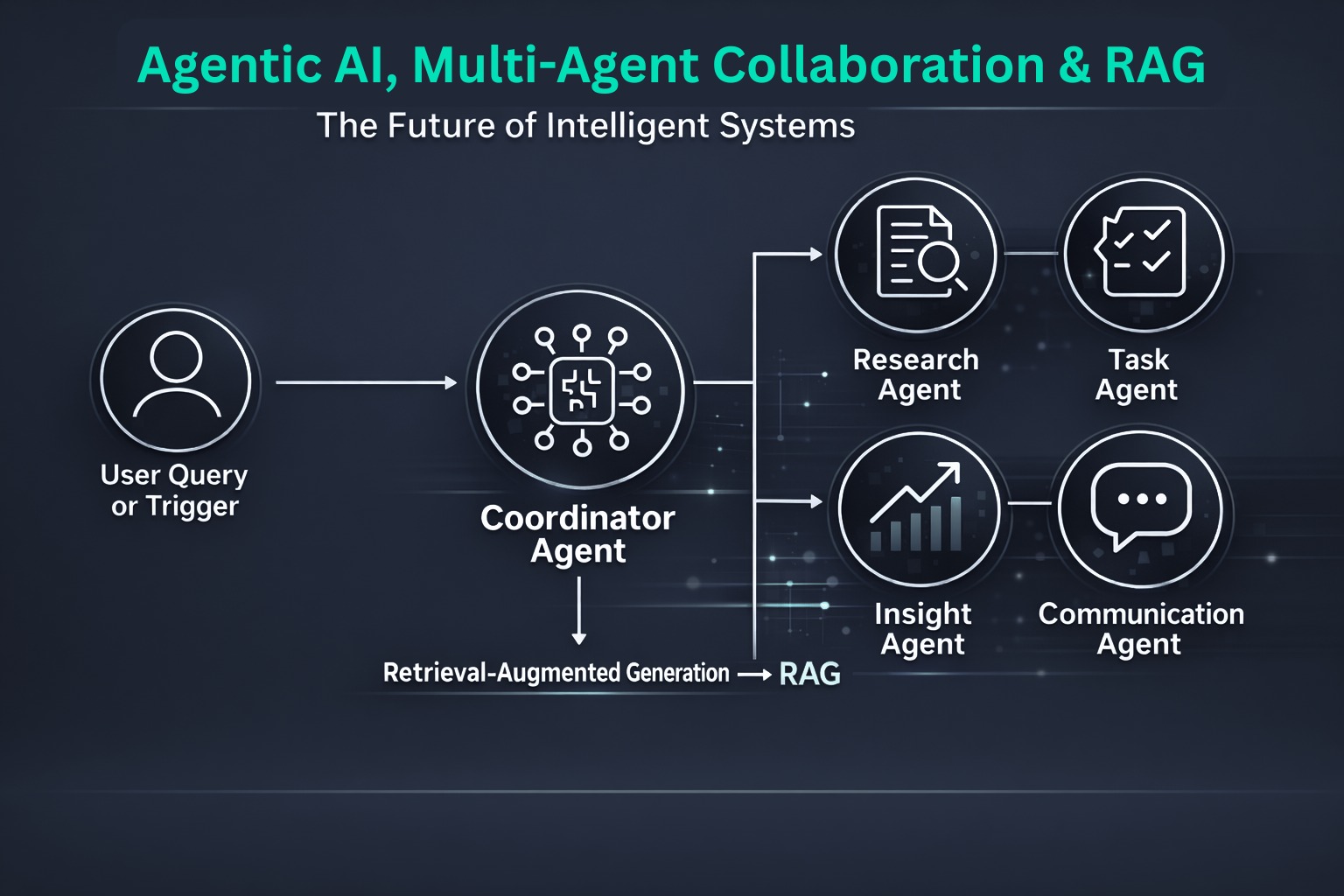
What makes agentic AI stand out is its flexibility. It is not limited to one task; agents can collaborate in multi-agent systems, dividing work like a team. At xCroTek in Amsterdam, Netherlands, we tailor these agents to fit your needs, from simple bots to enterprise-grade orchestrators.

The Inner Workings: How Agentic AI Builds Intelligent Systems

agentic ai cycle

Agentic AI operates through a cycle of observation, planning, execution, and adaptation. Here is a step-by-step look:

  1. Observation and Data Gathering: Agents collect inputs from various sources, APIs, sensors, or user queries. For example, in finance, an agent might pull real-time stock data and customer preferences.
  2. Reasoning and Planning: Using advanced models, the agent breaks down goals into steps. It might simulate outcomes or use chain-of-thought reasoning to decide the best path.
  3. Execution and Action: The agent acts by calling tools, sending emails, or updating databases. In a supply chain, it could reorder inventory automatically if levels drop.
  4. Adaptation and Learning: Post-action, agents review results, adjust strategies, and store insights for future use. This feedback loop ensures continuous improvement.

xCroTek’s agentic AI solutions enhance this with custom integrations, allowing your teams in the Netherlands or worldwide to monitor and refine agents easily.

Powerful Benefits: Why Enterprises Are Adopting Agentic AI

Implementing agentic AI is not just about tech upgrades; it delivers real business value. Here is what stands out:

  • Increased Efficiency: AI agents automate complex workflows, reducing manual work by up to 40% in areas like customer support. This frees employees for strategic tasks.
  • Enhanced Decision-Making: With real-time reasoning, agents provide insights faster, cutting response times in operations.
  • Scalability and Agility: Handle growing demands without proportional costs. One study shows enterprises seeing 25-30% ROI in the first year.
  • Innovation Boost: Enable new services, like personalized marketing or predictive maintenance, driving competitive edges.
  • Cost Reductions: By minimizing errors and optimizing resources, agentic AI can save millions in large-scale ops.

In short, agentic AI turns static systems into dynamic powerhouses, leading to better outcomes and satisfied teams.

Real-World Success Stories: Agentic AI in Action

Enterprises are already reaping rewards from AI agents:

  • Finance Sector: Banks use agents for fraud detection, analyzing transactions in real time and alerting teams instantly.
  • Healthcare: Agents orchestrate patient data flows, predicting needs and scheduling resources efficiently.
  • Manufacturing: In supply chains, agents forecast disruptions and adjust logistics on the fly.
  • Retail: Personalized shopping experiences where agents recommend products based on behavior.

Companies like xCroTek highlight how agentic AI transforms workflows, and xCroTek clients in Amsterdam, Netherlands, have scaled from pilot projects to full deployments.

Navigating Challenges: Making Agentic AI Work for Your Enterprise

Agentic AI brings promise, but hurdles exist. Integration with legacy systems can be tricky, and ensuring security is key. Solutions include:

  • Start Small: Pilot with one process to test and iterate.
  • Focus on Governance: Use guardrails like human oversight to prevent errors.
  • Prioritize Data Privacy: Comply with regulations through robust designs.

Looking Ahead: The Future of Agentic AI in Enterprises

Agentic Ai Market

The future looks promising. Expect more multi-agent collaborations, edge computing for faster actions, and integration with emerging tech like blockchain for secure ops. As reimbursement and standards evolve, agentic AI will become standard for agile businesses.

Elevate Your Enterprise with xCroTek's Agentic AI

Agentic AI is more than a tool; it is a partner in building smarter systems that adapt and thrive. By enabling autonomous actions, it promises efficient operations and innovative growth.

Ready to get started? Visit www.xcrotek.com to see how our agentic AI and AI agents can transform your enterprise. As leaders in Amsterdam, Netherlands, xCroTek is ready to guide you. Schedule a demo today and let’s shape a smarter future together.

FAQ

Q1: How is agentic AI different from traditional LLMs?
Agentic AI can plan, act, use tools, and self-correct; LLMs mainly generate responses.

Q2: How should businesses get started?
Start with small pilots in areas like support or research, then scale gradually.

Q3: Is agentic AI safe for enterprise use?
Yes, when deployed with governance, security controls, and human oversight.

Q4: Which industries benefit the most?
Finance, healthcare, retail, software, logistics, and operations-heavy sectors.

Q5: Will agentic AI replace jobs?
No. It augments people by handling routine work so humans can focus on higher-value tasks.

LinkedIn
Email
Phone
WhatsApp
WhatsApp
Phone
Email
LinkedIn